
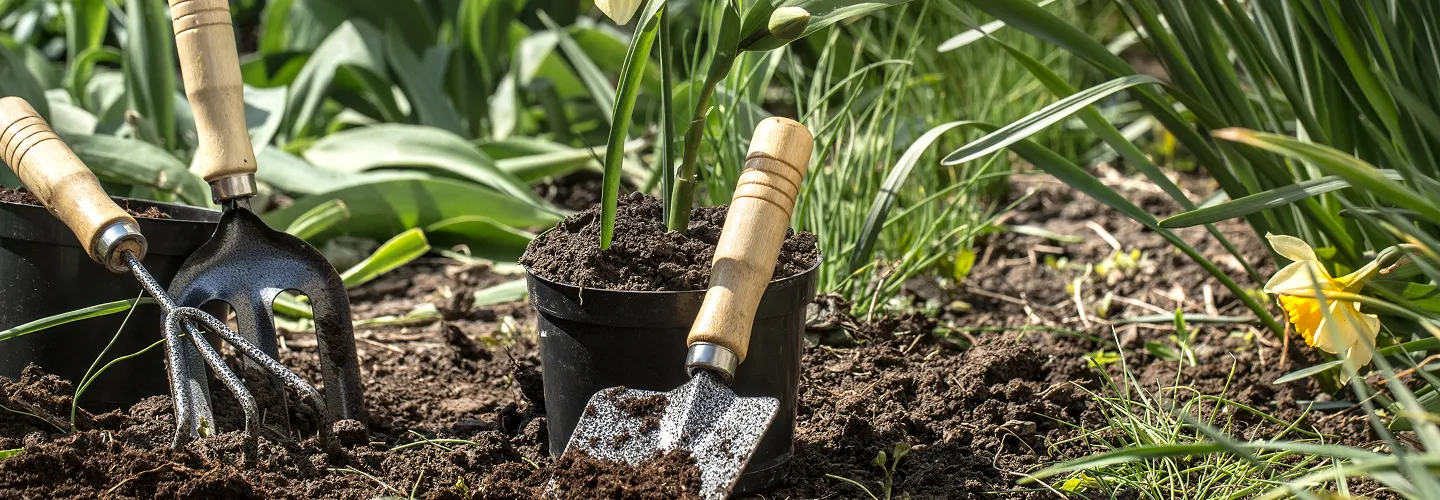
Evergreen Flower Planting Services
Choose our flower planting services for vibrant, long-lasting blooms and professional care that transforms your outdoor space into a colorful oasis season after season.
Get a Free QuoteOur Evergreen Landscaping & Yard Care Services
When to Schedule Flower Planting in Evergreen, Arizona – Seasonal Guide
Flower planting in Evergreen, Arizona, is best scheduled with careful attention to the region’s unique climate and landscape. The optimal planting windows typically fall in early spring (late February to early April) and again in early autumn (late September to mid-October), when temperatures are moderate and the risk of frost is minimal. Evergreen’s proximity to the foothills and neighborhoods like Pinecrest Estates and Willow Glen means microclimates can vary, so it’s important to consider your specific location.
Local environmental factors such as late spring frosts, summer drought risk, and the sandy-loam soils common near Evergreen Park all play a role in determining the best time for planting. Areas with dense shade from mature pines or oaks, like those near Sudbury Park, may require different timing and flower varieties than sunnier, open lots. Monitoring municipal water restrictions and understanding your property’s drainage patterns will also help ensure healthy, vibrant blooms throughout the season.
Local Factors to Consider for Flower Planting in Evergreen
- Tree density and shade coverage, especially in neighborhoods like Pinecrest Estates
- Soil type and drainage, with sandy-loam soils prevalent near Evergreen Park
- Average last frost date (typically late March)
- Summer drought risk and municipal watering restrictions
- Terrain and elevation changes affecting microclimates
- Precipitation patterns and humidity levels
- Proximity to local landmarks or protected areas
Benefits of Flower Planting in Evergreen
Expert Landscaping Guidance
Customized Plant Selection
Seasonal Color Enhancement
Low-Maintenance Solutions
Eco-Friendly Practices
Increased Property Value
Evergreen Flower Planting Types

Foundation Plantings
-
Mixed Borders
-
Privacy Screens
-
Accent Plantings
-
Container Gardens
-
Hedge Rows
-
Ground Cover Beds
Our Flower Planting Process
Site Evaluation
Soil Preparation
Plant Selection
Careful Planting
Watering and Mulching
Why Choose Evergreen Landscape Services
-
Evergreen Homeowners Trust Us
-
Comprehensive Lawn Maintenance
-
Reliable Seasonal Cleanups
-
Professional Team
-
Competitive Pricing
-
Personalized Service
-
Satisfaction Guarantee
Coordinating Flower Planting Projects with Evergreen's Municipal Programs and Departments
Flower planting in Evergreen, AZ, situated within the greater Mesa area of the Phoenix metro low desert, requires coordination with municipal departments that oversee landscaping standards, water use, and environmental compliance. Residents and property managers planning flower installations on properties adjacent to public rights-of-way, drainage corridors, or community open spaces should verify site requirements through the city's development and environmental offices. The city's sustainability programs encourage desert-adapted plantings that reduce water consumption and protect stormwater infrastructure. Before beginning any flower planting project that involves grading, irrigation modifications, or frontage-facing landscape changes, property owners should confirm whether site review applies to their parcel.
- Confirm irrigation modifications with the city's water utility before expanding emitter zones
- Verify that plantings near sidewalks, curb inlets, or retention basins do not obstruct drainage flow
- Review HOA covenants for approved plant palettes and bed dimensions before purchasing materials
Mesa Parks, Recreation & Community Facilities
Official Website: Mesa Parks, Recreation & Community Facilities
Mesa Environment & Sustainability
Official Website: Mesa Environment & Sustainability
How Evergreen's Low Desert Heat and Alkaline Soils Affect Flower Planting
Evergreen falls within USDA Hardiness Zone 9b, characteristic of the Phoenix metro low desert, where summer temperatures routinely exceed 110°F and frost events are infrequent but possible between December and February. These conditions directly shape which flower species survive and how planting beds must be prepared. Soils in the Evergreen area tend toward alkaline sandy loam, often with caliche layers at varying depths that impede root penetration and drainage. Decomposed granite and compacted subdivision fill are common in newer developments, requiring amendment before planting. The USDA Plant Hardiness Zone Map provides zone verification, while the USDA Web Soil Survey offers parcel-level soil data relevant to bed preparation.
- Alkaline pH levels (typically 7.5–8.5) limit nutrient availability for iron-dependent flowering species
- Caliche layers may require mechanical breaking or raised bed construction for adequate root depth
- Reflected heat from block walls, concrete, and pavement intensifies exposure on south- and west-facing beds
- Monsoon storms from July through September can wash out newly planted beds if drainage is not addressed
Navigating Evergreen's Regulatory Requirements for Flower Planting Compliance
Flower planting projects in Evergreen must account for several layers of local and state regulation. Properties within the Phoenix Active Management Area are subject to water conservation guidelines administered by the Arizona Department of Water Resources, which encourages low-water-use landscaping and efficient irrigation design. Any flower planting that involves soil disturbance near washes, retention basins, or flood-control channels should be reviewed for stormwater compliance under Arizona DEQ stormwater programs, particularly where sediment or fertilizer runoff could enter the municipal storm sewer system. If chemical soil amendments or pest treatments are applied during bed preparation, applicators must hold valid credentials through the Arizona Department of Agriculture. Property owners should also verify that plantings do not introduce species listed on the state's noxious weed registry.
- Ensure fertilizer and amended soil do not discharge into curb inlets or drainage channels
- Confirm that any pesticide or herbicide application during bed prep is performed by a licensed applicator
- Avoid planting species classified as noxious or invasive under Arizona Revised Statutes Title 3
Mesa Development Services
Official Website: Mesa Development Services
Timing and Methods for Flower Planting in Evergreen's Desert Climate
Professional flower planting in Evergreen follows two primary planting windows dictated by temperature extremes. The fall window, from mid-October through November, is optimal for cool-season annuals such as petunias, pansies, snapdragons, and stock, which establish root systems before mild winter temperatures arrive. The spring window, from late February through early April, suits warm-season and desert-adapted species including vinca, lantana, desert marigold, and angelita daisy before sustained triple-digit heat begins. Planting during peak summer months is generally avoided due to extreme soil surface temperatures and rapid moisture loss.
- Prepare beds by amending native alkaline soil with sulfur and organic compost to improve nutrient uptake and moisture retention
- Install or verify drip irrigation emitters at each planting station to deliver water directly to root zones and minimize evaporation
- Apply 2–3 inches of organic or decorite mulch around plantings to moderate soil temperature and reduce water loss
- Schedule irrigation cycles for early morning to reduce evapotranspiration and prevent fungal issues
- Group plantings by water need using hydrozoning principles to prevent overwatering drought-tolerant species or underwatering thirstier annuals
Mesa Water & Wastewater Utilities
Official Website: Mesa Water & Wastewater Utilities
What Neighborhoods Do We Serve Throughout Evergreen, AZ?
- Sunland Village — Established community with mature landscape beds that often require soil re-amendment and emitter replacement before seasonal flower rotations due to years of alkaline mineral buildup.
- Leisure World — Properties in this area frequently feature south-facing courtyard beds with significant reflected heat, requiring careful species selection and afternoon shade evaluation.
- Alta Mesa — Larger residential lots with mixed irrigated and xeriscape zones where hydrozoning is essential to integrate flower beds without disrupting existing water-efficient landscapes.
- Reed Park Area — Proximity to park green spaces and drainage corridors means flower planting projects should account for runoff direction and avoid soil or mulch migration toward public infrastructure.
- Evergreen Historic District — Older irrigated lots with established trees provide partial shade opportunities for understory flower planting, though root competition and compacted soils require thorough bed preparation.