
Evergreen Hedging Services
Choose our expert hedging services for lush, low-maintenance boundaries that enhance your property's privacy, curb appeal, and value—crafted to thrive in every season.
Get a Free QuoteOur Evergreen Landscaping & Yard Care Services
When to Schedule Hedging in Evergreen, Arizona – Seasonal Guide
In Evergreen, Arizona, timing your hedging services is crucial for maintaining healthy, attractive landscapes. The region’s unique climate—marked by hot, dry summers and mild winters—means that the best periods for hedging are typically late winter through early spring, before new growth begins. This allows shrubs and hedges to recover quickly and flourish as temperatures rise. Local neighborhoods like Pine Crest and the areas surrounding Evergreen Lake often experience microclimates, so it’s important to consider your property’s specific conditions.
Environmental factors such as late spring frost dates, the risk of summer drought, and the sandy, well-draining soils common in Evergreen all play a role in determining the optimal hedging schedule. Properties near shaded areas, like those close to the Evergreen Golf Course, may require different timing than those in full sun. For more information on local climate and municipal guidelines, visit the official Evergreen resource.
Local Factors to Consider for Hedging in Evergreen
- Tree and shrub density on your property
- Terrain and slope, especially in foothill neighborhoods
- Annual precipitation and irrigation availability
- Municipal restrictions or HOA guidelines
- Proximity to landmarks like Evergreen Lake or the golf course
- Soil type and drainage characteristics
- Shade coverage from mature trees
Benefits of Hedging in Evergreen
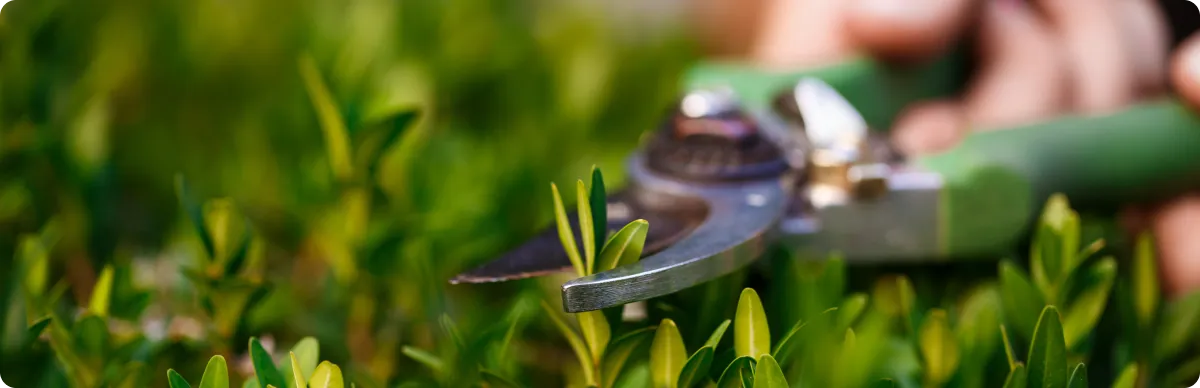
Expert Hedge Shaping
Year-Round Greenery
Enhanced Property Value
Privacy and Noise Reduction
Low Maintenance Solutions
Eco-Friendly Landscaping
Evergreen Hedging Types

Boxwood Hedges
-
Yew Hedges
-
Laurel Hedges
-
Privet Hedges
-
Holly Hedges
-
Leyland Cypress Hedges
-
Photinia Hedges
Our Hedging Process
Consultation and Planning
Site Preparation
Precision Trimming
Cleanup and Inspection
Why Choose Evergreen Landscape Services
-
Evergreen Homeowners Trust Us
-
Comprehensive Lawn Maintenance
-
Reliable Seasonal Cleanups
-
Professional Team
-
Competitive Pricing
-
Personalized Service
-
Satisfaction Guarantee
Coordinating Hedge Maintenance with Evergreen's Municipal Tree and Landscape Programs
Hedge maintenance in Evergreen, AZ, intersects with several municipal functions, particularly where hedges border sidewalks, driveways, or public rights-of-way. The City of Mesa's tree maintenance program provides guidance on vegetation management standards that apply to shrubs and hedges in public-facing areas, including clearance expectations along pedestrian corridors and street frontages. Property owners should verify whether hedges encroach into the public right-of-way or obstruct sight lines at intersections, as code compliance staff may issue notices for overgrown vegetation that impedes safe passage. Green waste generated from hedge trimming must be handled according to municipal bulk collection or disposal procedures; residents should confirm current pickup schedules and bundling requirements with the city rather than depositing clippings near storm drains or wash inlets.
- Confirm right-of-way clearance requirements before shaping hedges along sidewalks or streets
- Dispose of hedge trimmings through approved green waste channels, not into washes or drainage corridors
- Review municipal landscape standards for hedges adjacent to parks, trails, or public easements
Mesa Tree Maintenance Division
Official Website: Mesa AZ Tree Maintenance
How Evergreen's Low-Desert Heat and Alkaline Soils Affect Hedge Growth
Evergreen sits within the Phoenix metro low-desert environment, classified under USDA Hardiness Zone 9b to 10a, where summer temperatures routinely exceed 110°F and soils tend toward high alkalinity. These conditions directly influence hedge species selection, shaping frequency, and irrigation demands. Soils in many Evergreen subdivisions contain caliche layers or compacted subdivision fill, which restrict root penetration and limit water infiltration. Reflected heat from block walls, concrete driveways, and stucco facades intensifies thermal stress on hedge foliage, particularly on south- and west-facing exposures. Monsoon storms between July and September can cause rapid, heavy runoff that erodes soil around hedge root zones and deposits debris into retention basins and storm drains.
- Alkaline soils with pH levels commonly above 7.5 may cause iron chlorosis in non-adapted hedge species
- Caliche layers impede deep root establishment and require amended planting beds for long-term hedge health
- Reflected heat from adjacent hardscape accelerates moisture loss and can scorch foliage on exposed sides
- Monsoon downpours create sheet flow that may undercut hedge root systems near slopes or drainage swales
The Arizona Department of Water Resources encourages low-water-use landscaping practices, and hedge species selection in Evergreen should prioritize drought-adapted varieties such as Texas sage, Arizona rosewood, or compact oleander cultivars suited to the region's irrigation constraints.
Navigating Evergreen's Zoning and Stormwater Rules for Hedge Installation and Shaping
Hedging work in Evergreen may trigger review under several regulatory frameworks depending on the property's location, the hedge's proximity to public infrastructure, and the scope of the project. Properties within planned developments or HOA-governed communities often carry specific landscape covenants that dictate hedge height, species, and setback from property lines. The City of Mesa's Development Services department handles zoning inquiries related to screening requirements, frontage landscaping, and visibility triangle compliance at intersections. Hedge installations that involve grading, irrigation modifications, or proximity to drainage easements may require coordination with the Engineering Department to ensure stormwater flow is not obstructed.
- Hedges near street corners must not obstruct the visibility triangle as defined by local traffic safety standards
- Properties adjacent to washes or flood-control channels should verify setback and vegetation restrictions
- Commercial properties may face additional landscape screening requirements under zoning code
Under Arizona DEQ stormwater regulations, clippings, soil, and organic debris from hedge maintenance must not enter municipal storm sewer systems. Contractors performing hedge work should be aware that pesticide applications on hedges require proper licensing through the Arizona Department of Agriculture.
Mesa Development Services
Official Website: Mesa AZ Development Services
Mesa Engineering Department
Official Website: Mesa AZ Engineering Department
Timing Hedge Shaping Around Evergreen's Monsoon Season and Summer Heat Cycles
Professional hedge maintenance in Evergreen follows timing patterns dictated by the region's extreme heat and monsoon precipitation. The primary shaping window for most desert-adapted hedge species falls in late spring, before daily highs consistently exceed 105°F, and again in early fall once monsoon activity subsides and temperatures moderate. Shaping hedges during peak summer heat exposes freshly cut surfaces to sunburn and desiccation, which can cause dieback on outer canopy growth. Pre-monsoon shaping reduces wind resistance and minimizes the risk of branch breakage during high-wind storm events.
- Schedule major hedge shaping between late March and mid-May, and again from mid-September through October
- Avoid heavy pruning during July and August when monsoon storms and extreme heat compound plant stress
- Irrigate hedges deeply 24 to 48 hours before shaping to reduce moisture shock from tissue removal
- Remove no more than one-third of the canopy volume in a single shaping session to preserve plant vigor
- Keep all clippings, leaf litter, and debris away from curb inlets, retention basins, and drainage channels
Irrigation scheduling should align with the city's water utility guidelines. Hedges on drip irrigation systems require emitter checks after shaping to ensure lines were not damaged during the process. The Arizona DEQ Phase II MS4 program applies to stormwater management in the Mesa area, reinforcing the importance of preventing landscape debris from entering the municipal storm sewer system.
What Neighborhoods Do We Serve Throughout Evergreen, AZ?
- Eastmark — This master-planned community features compact lots with block-wall perimeters where hedges face significant reflected heat and require frequent shaping to maintain clearance along shared pathways.
- Las Sendas — Properties in this foothill community often border natural desert washes and slopes, requiring careful hedge placement to avoid drainage interference and preserve desert-edge aesthetics.
- Superstition Springs — Mature subdivisions in this area contain established oleander and privet hedges that benefit from regular rejuvenation shaping and irrigation audits on aging drip systems.
- Red Mountain Ranch — Larger lots with mixed desert and irrigated landscaping present hedging challenges related to caliche soils and variable sun exposure across north- and south-facing yard sections.
- Augusta Ranch — HOA-governed properties in this neighborhood typically enforce hedge height and species standards, making coordination with community guidelines essential before major shaping work.