
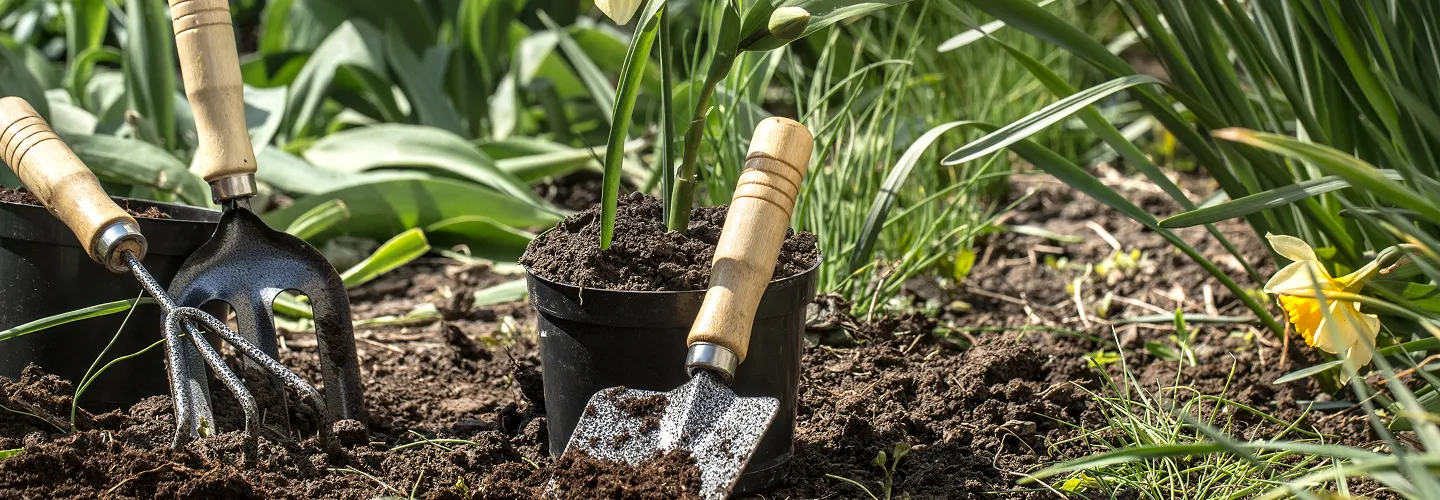
Evergreen Lawn Leveling Services
Choose our Lawn Leveling service for a healthier, more beautiful yard—our expert team uses precision techniques and premium materials to ensure lasting results and a flawless finish you’ll love.
Get a Free QuoteOur Evergreen Landscaping & Yard Care Services
When to Schedule Lawn Leveling in Evergreen, Arizona – Seasonal Guide
In Evergreen, Arizona, timing your lawn leveling project is crucial for achieving a healthy, even yard that thrives year-round. The best periods for lawn leveling are typically late spring and early fall, when temperatures are moderate and the risk of extreme heat or frost is minimal. Evergreen’s unique climate—characterized by warm, dry summers and mild winters—means that soil moisture and temperature play a significant role in determining the optimal window for this service. Neighborhoods near Evergreen Park and the Willow Creek area often experience microclimates, with varying shade coverage and soil types that can affect the timing and success of lawn leveling.
Local environmental factors such as the last spring frost date, summer drought risk, and the prevalence of clay-heavy soils in certain subdivisions should all be considered. For example, properties closer to the foothills may have more shade and cooler soil, while those near the town center or along Main Street might face higher sun exposure and faster soil drying. Before scheduling, it’s also wise to check for any municipal watering restrictions or seasonal guidelines provided by the Town of Sudbury, as these can impact both preparation and aftercare.
Local Factors to Consider for Lawn Leveling in Evergreen
- Tree density and shade coverage, especially in neighborhoods like Willow Creek
- Soil composition (clay, sand, or loam) and drainage characteristics
- Average precipitation and risk of summer drought
- Frost dates and seasonal temperature swings
- Terrain slope and proximity to natural landmarks
- Municipal watering restrictions or local ordinances
Benefits of Lawn Leveling in Evergreen

Enhanced Curb Appeal
Improved Lawn Health
Safer Outdoor Spaces
Efficient Water Drainage
Professional Expertise
Long-Lasting Results

Evergreen Lawn Leveling Types

Topdressing Lawn Leveling
A method involving the application of a thin layer of soil or sand to even out minor bumps and depressions.
-
Laser Grading
Utilizes laser-guided equipment to achieve precise and uniform lawn surfaces for optimal drainage.
-
Sod Replacement Leveling
Involves removing uneven sod sections, leveling the soil beneath, and reinstalling fresh sod for a smooth finish.
-
Soil Compaction Correction
Addresses unevenness caused by compacted soil through aeration and soil amendment techniques.
-
Fill and Seed Leveling
Fills low spots with soil and reseeds the area to promote even grass growth and a level appearance.
-
Power Raking Leveling
Uses specialized equipment to remove thatch and redistribute soil, helping to smooth out minor irregularities.
-
Manual Rake and Shovel Leveling
A hands-on approach using basic tools to correct small bumps and dips in residential lawns.
Our Lawn Leveling Process
Site Evaluation
Soil Preparation
Leveling Application
Compaction
Final Inspection
Why Choose Evergreen Landscape Services
-
Evergreen Homeowners Trust Us
-
Comprehensive Lawn Maintenance
-
Reliable Seasonal Cleanups
-
Professional Team
-
Competitive Pricing
-
Personalized Service
-
Satisfaction Guarantee
Coordinating Lawn Leveling Projects Through Evergreen's Municipal Engineering and Development Services
Lawn leveling in Evergreen, AZ, requires coordination with municipal departments when grade corrections affect drainage flow, stormwater conveyance, or adjacent property runoff patterns. Because Evergreen is situated within the greater Mesa area, residents and property managers should engage the city's engineering and development services offices before undertaking leveling work that alters existing surface grades near rights-of-way, retention basins, or neighborhood drainage corridors. The Engineering Department reviews grading changes that could redirect stormwater or compromise established drainage infrastructure. Property owners planning leveling projects should confirm whether their scope triggers a site-work review, particularly on lots adjacent to washes or flood-control channels.
- Verify whether proposed grade changes affect stormwater flow paths or retention basin function
- Confirm right-of-way setback requirements before leveling near sidewalks, curbs, or street frontage
- Coordinate with development services if leveling is part of a broader landscape renovation or site improvement
Mesa Engineering Department
20 E Main St, Mesa, AZ 85201
Official Website: Mesa Engineering Department
Mesa Development Services
20 E Main St, Mesa, AZ 85201
Official Website: Mesa Development Services
How Evergreen's Low-Desert Soils and Heat Affect Lawn Leveling Outcomes
Evergreen falls within the Phoenix metro low-desert environment, classified under USDA Hardiness Zone 9b to 10a, where extreme summer heat, alkaline soils, and subsurface caliche layers directly influence lawn leveling results. Soils in this area commonly consist of alkaline sandy loam or compacted subdivision fill, often underlain by cemented caliche that resists water infiltration and root penetration. These conditions cause uneven settlement over time, particularly in newer subdivisions where imported topsoil was placed over poorly prepared subgrades.
- Caliche layers can create hard pans that trap water and cause localized pooling after irrigation or monsoon rainfall
- Alkaline soil pH (often above 8.0) affects the compatibility of topdressing materials and turf recovery after leveling
- Compacted fill in subdivision lots settles unevenly, producing low spots that scalp during mowing and collect standing water
- Reflected heat from block walls and concrete hardscape accelerates soil moisture loss, causing differential shrinkage across turf areas
The University of Arizona Cooperative Extension provides region-specific guidance on soil amendment and turf management practices suited to these conditions.
Navigating Stormwater Compliance and Grading Regulations for Evergreen Lawn Leveling
Lawn leveling projects in Evergreen must comply with stormwater management requirements that protect local drainage infrastructure and downstream water quality. The City of Mesa operates under the Arizona DEQ Phase II MS4 program, which regulates sediment discharge and erosion from land-disturbing activities. Even residential-scale leveling work can generate loose soil and topdressing material that washes into curb inlets, storm drains, or nearby washes during monsoon events or irrigation cycles.
- Sediment and topdressing material must be kept out of curb inlets, storm drains, and drainage channels at all times
- Erosion control measures such as fiber rolls or silt barriers should be placed along downslope edges during and after leveling
- Excess fill or displaced soil must be properly disposed of and not deposited in washes, retention basins, or rights-of-way
- Projects that significantly alter lot drainage patterns may require review under Arizona DEQ stormwater provisions and local grading standards
The Clean Water Act establishes the federal framework for these protections, and local enforcement is carried out through the city's environmental and engineering review processes.
Mesa Environment & Sustainability
20 E Main St, Mesa, AZ 85201
Official Website: Mesa Environment & Sustainability
Timing and Methods for Professional Lawn Leveling in Evergreen's Desert Climate
Professional lawn leveling in Evergreen should be timed to coincide with the active growth period of the dominant turf species. For bermudagrass lawns, which are the most common warm-season turf in this area, leveling is best performed between late April and early July when the grass is actively growing and can recover quickly from topdressing and grade adjustment. Leveling during dormancy or during the winter overseeding period with perennial ryegrass risks smothering the turf and delaying recovery. The Turfgrass Maintenance Guide for Low Elevation Arizona provides detailed seasonal guidance for turf care in this region.
- Topdressing material should closely match the existing soil texture to avoid creating layered profiles that impede water movement
- Application depth per pass should generally not exceed approximately half an inch to avoid smothering the turf crown
- Irrigation adjustments are critical after leveling; newly filled low spots require careful monitoring to prevent pooling or dry pockets
- Scalping prevention is a primary goal of leveling, as uneven surfaces cause mower blades to cut too low in high spots, exposing stolons to heat damage
- Multiple light applications over successive growth cycles produce more stable results than a single heavy fill
Pre-leveling assessment should include checking for irrigation head alignment, identifying areas where settlement has disrupted sprinkler coverage, and confirming that the finished grade directs surface water away from foundations and toward designated drainage paths.
What Neighborhoods Do We Serve Throughout Evergreen, AZ?
- Evergreen Estates — Established lots in this area frequently exhibit settlement-related grade irregularities, particularly where original subdivision fill has compacted over time, creating low spots that collect irrigation runoff.
- Sunland Village — Mature turf areas in this active-adult community often develop uneven surfaces from years of thatch accumulation and soil compaction, making periodic leveling essential for mower performance.
- Leisure World — Older irrigated lots here may show grade depressions near block walls and patios where reflected heat and root activity have altered the soil surface.
- Alta Mesa — Properties adjacent to drainage corridors in this area require careful attention to post-leveling grade direction to maintain compliant stormwater flow.
- Reed Park area — Residential lots near park frontage often have mixed soil profiles from past landscape modifications, requiring topdressing material that matches existing soil texture for uniform water infiltration.